
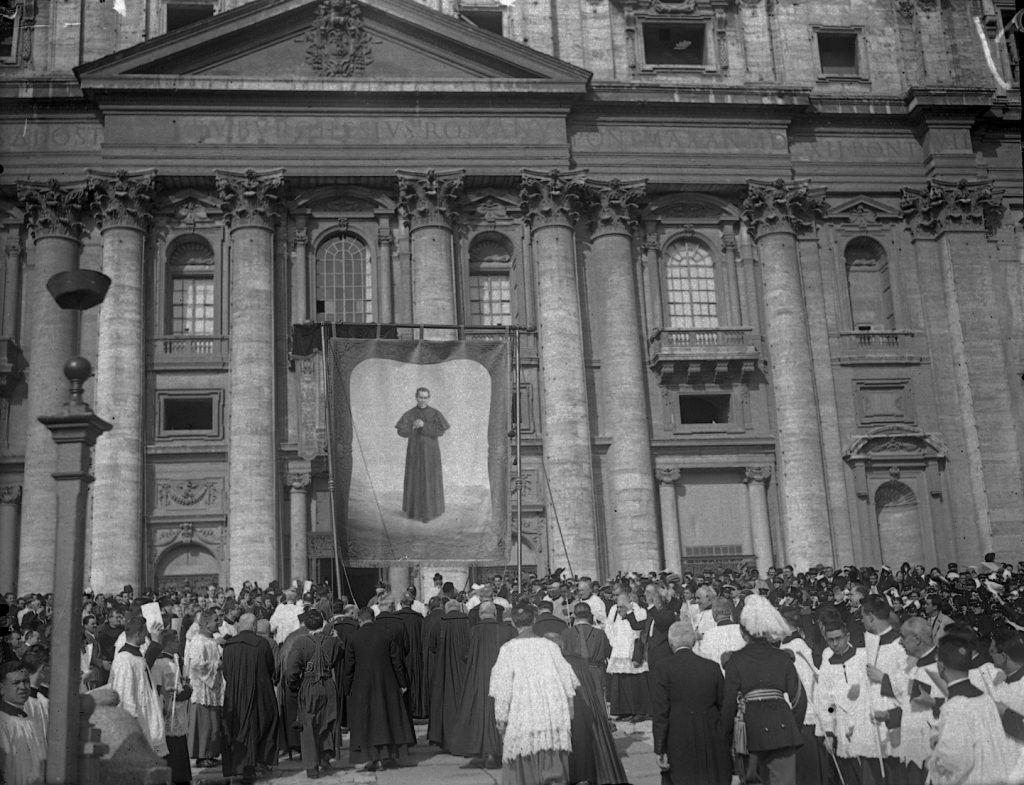
【慈幼通訊社 ─ 2026 年4月1日羅馬慈幼總部訊】 – 1934年4月1日,復活主日,教宗庇護十一世在梵蒂岡聖伯多祿大殿隆重冊封鮑思高神父為聖人。選擇這一日並非偶然。復活節,即基督復活的慶典,表達了基督徒聖德最深層的意義:參與生命戰勝死亡的勝利。教會選擇在復活節這一天冊封鮑思高神父為聖人,意在表明鮑思高神父的聖德並非僅僅屬於過去,而是在諸聖相通中鮮活而積極地存在著。
漫長的準備與宗座牧函《雙重的喜樂(Geminata Laetitia)》
冊封聖人標誌著漫長而嚴謹的教會法程序最終完成。冊封聖人的申請於1890年提出,即聖人去世兩年後。 1929年,鮑思高神父被宣布為真福,此後數年間,冊封聖人所需的奇蹟經過審查和批准。
完成所有必要程序後,聖座起草了冊封聖人的宗座信函,題為《雙重的喜樂(Geminata Laetitia)》。這標題表達了當日歡慶的雙重原因:教會的復活節喜樂,以及普世教會冊封一位新聖人的喜樂。在信中,庇護十一世正式冊封鮑思高神父為聖人,稱他為義大利乃至整個天主教世界的榮耀,一位堪稱楷模的司鐸和青年之父。
聖伯多祿大殿的莊嚴慶典
莊嚴的儀式中,梵蒂岡聖伯多祿大殿內聚集了眾多樞機主教、主教、神父、男女修道者以及大量信友。其中,數千名慈幼會會士、聖母進教之佑孝女會修女、慈幼協進會會員,以及來自慈幼會事業的青年代表尤為引人注目。
他們的參與具有深刻的象徵意義。教會冊封的並非一位隱居於靜默修道院的聖人,而是一位曾與年輕人共同生活、在操場、學校和工房中與孩子們相伴的神父。聖伯多祿大殿彷彿變成了一座宏偉的普世慶禮院,年輕人的喜悅見證了鮑思高神父神恩的豐碩成果。
當時的記載描述了人們深切的情感、歷久不息的掌聲和深深的感激之情。這事件不僅被視為莊嚴的宗教禮儀,更是對一位屬神父親的聖德得到正式認可的慶典。
庇護十一世的講道:鮑思高神父是司鐸與教育家
庇護十一世在隆重彌撒中所發表的講道,至今仍是關於鮑思高神父最重要的教宗文獻之一。教宗首先稱這位新聖人為「義大利的司鐸若望」,強調了他司鐸的核心身份。他所有的教育工作都源自他與基督的深厚結合以及他對教會的完全忠誠。
庇護十一世強調了鮑思高神父聖德的幾個基本特徵:堅定的信仰、英勇的愛德、牧民的勇氣和對教會的服從。鮑思高神父不僅是慈善家或社會改革家,更是一位真正的青年使徒。
教宗特別強調了他使命中的教育層面。教宗將他描繪成青年慈父和良師,能夠洞悉青年的內心,並透過以理智、宗教和仁愛為基礎的預防教育法來引導他們。在充滿意識形態衝突和深刻社會變革的時代,教會由此提出了一種以牧民關懷和委身教育為本的積極聖德楷模。
具有重大教會和文化影響力的事件
封聖產生了立竿見影且影響深遠的後果。它鞏固了慈幼家庭的身份認同,並為世界各地的天主教教育注入了新的活力。《雙重的喜樂》通諭和庇護十一世的講道成為反思如何在牧民行動中,活出聖德以及對青年的基督徒教育的迫切性的參考文本。
廣泛的民眾參與,證明了鮑思高神父深遠的屬神和文化影響。成千上萬的年輕人齊聚聖伯多祿大殿,這有力地表明:教會認可他是一位現代聖人,一位能夠將信仰與人的發展相結合的教育家。
因此,封聖不只是一項禮儀行為,更是活生生的訓導實踐。在社會和政治發生巨大變化的時期,教會重申對青年的承諾,將鮑思高神父樹立為神父、教育工作者和基督宗徒團體的典範。
經得起時間考驗的意義
近一個世紀過去了,1934年4月1日的封聖儀式仍然意義非凡。它標誌著教會長期辨別過程的完成,是教會的生命力在青年群體中顯而易見的體現,也是對後世的教育和屬神的指引。
聖若望鮑思高在復活節當天所彰顯的聖德,至今仍是希望的象徵。它提醒我們,聖德在日常生活中是可能的——在操場上、在學校裡、在教育服務和牧民獻身中。教會也繼續視聖若望·鮑思高為全世界青年的慈父、良師和轉禱者。
The Canonisation of Don Bosco: The Homily of Pius XI and the Special Characteristics of the Event
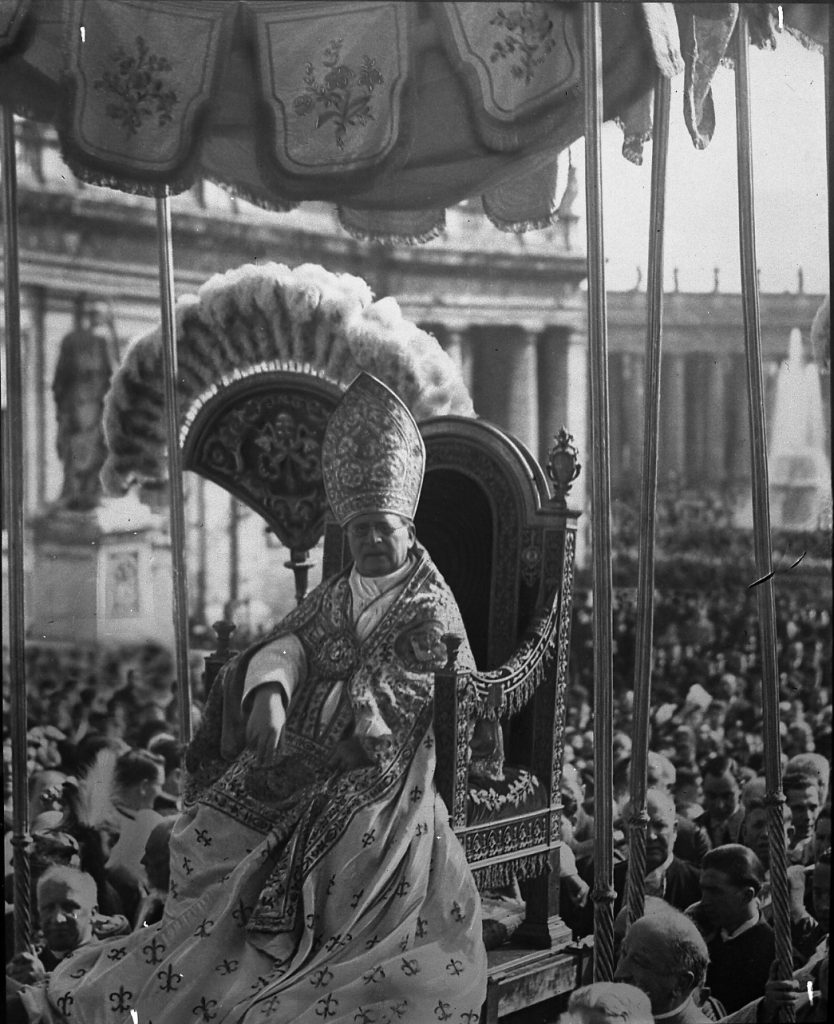
(ANS – Rome –RMG, 01 April 2026) – On 1 April 1934, Easter Sunday, in St Peter’s Basilica in the Vatican, Pope Pius XI solemnly proclaimed Don Bosco a saint. The choice of date was not accidental. Easter, the feast of Christ’s Resurrection, expresses the deepest meaning of Christian holiness: participation in the victory of life over death. By placing the canonisation on the day of the Resurrection, the Church wished to affirm that Don Bosco’s holiness did not belong solely to the past, but constituted a living and active presence within the communion of saints.
A Long Preparation and the Apostolic Letter Geminata Laetitia
The canonisation represented the culmination of a long and rigorous canonical process. The cause had been introduced in 1890, just two years after the Saint’s death. In 1929 Don Bosco had been proclaimed Blessed, and in the years that followed the miracles required for canonisation were examined and approved.
Once the necessary procedures had been completed, the Holy See prepared the Apostolic Letter of canonisation entitled Geminata Laetitia (“Twofold Joy”). The title expressed the double reason for rejoicing on that day: the Easter joy of the Church and the joy of enrolling a new Saint in the register of the universal Church. In it, Pius XI officially proclaimed Don Bosco a Saint, presenting him as a radiant honour of Italy and of the entire Catholic world, an exemplary priest and father of the young.
The Solemn Celebration in St Peter’s
The ceremony was carried out with extraordinary solemnity. The Vatican Basilica gathered a large college of cardinals, numerous bishops and priests, men and women religious, together with a vast number of lay faithful. Among them stood out the presence of thousands of Salesians, Daughters of Mary Help of Christians, Cooperators and, above all, young people from Salesian works.
Their participation was deeply symbolic. The Church was not canonising a saint withdrawn into the silence of a cloister, but a priest who had lived among young people, in playgrounds, schools and workshops. St Peter’s Basilica seemed almost transformed into a great universal oratory, where the joy of the young bore witness to the fruitfulness of Don Bosco’s charism.
Contemporary accounts speak of profound emotion, prolonged applause and a deep sense of gratitude. The event was perceived not only as a solemn liturgical act, but as the celebration of a spiritual father whose holiness was being officially recognised.
The Homily of Pius XI: Don Bosco Priest and Educator
The homily delivered by Pius XI during the solemn Mass remains one of the most significant papal texts concerning Don Bosco. The Pope first presented the new Saint as “John, priest of Italy”, underlining the centrality of his priesthood. All his educational work sprang from his deep union with Christ and his total fidelity to the Church.
Pius XI highlighted several fundamental characteristics of his holiness: firmness of faith, heroic charity, pastoral courage and ecclesial obedience. Don Bosco was not merely a philanthropist or a social reformer, but an authentic apostle of the young.
Particular emphasis was given to the educational dimension of his mission. The Pope presented him as a father and teacher of youth, capable of understanding the hearts of the young and guiding them through the preventive system founded on reason, religion and loving-kindness. In an era marked by ideological tensions and profound social change, the Church thus proposed a model of active holiness, rooted in pastoral charity and educational commitment.
An Event of Strong Ecclesial and Cultural Impact
The canonisation had an immediate and lasting impact. It strengthened the identity of the Salesian Family and gave renewed impetus to Catholic education throughout the world. The Letter Geminata Laetitia and the homily of Pius XI became reference texts for reflection on holiness lived in pastoral action and on the urgency of Christian education for the young.
The broad popular participation testified to Don Bosco’s profound spiritual and cultural influence. The presence of thousands of young people in St Peter’s was an eloquent sign: the Church recognised in him a Saint for modern times, an educator capable of uniting faith and human development.
The canonisation was therefore not merely a liturgical act, but an event of living magisterium. In a period of great social and political transformation, the Church renewed her commitment to youth, presenting Don Bosco as a model for priests, educators and Christian communities.
A Meaning that Endures through Time
Nearly a century later, the canonisation of 1 April 1934 remains an event rich in significance. It represents the fulfilment of a long process of ecclesial discernment, a visible manifestation of the Church’s vitality among the young, and a pedagogical and spiritual point of reference for future generations.
The holiness of Don Bosco, proclaimed on the day of the Resurrection, continues to shine as a sign of hope. It reminds us that holiness is possible in daily life — in playgrounds and schools, in educational service and pastoral dedication. And the Church continues to look to Saint John Bosco as father, teacher and intercessor for young people throughout the world.